Buy dümmer-see.eu ?
We are moving the project
dümmer-see.eu .
Are you interested in purchasing the domain
dümmer-see.eu ?
domain@kv-gmbh.de · 0541-91531010
Buy dümmer-see.eu ?
What is the function of the large intestine?
The large intestine, also known as the colon, has several important functions in the body. It absorbs water and electrolytes from the remaining indigestible food matter, helping to form solid waste. It also houses a large population of beneficial bacteria that aid in the fermentation of undigested food, producing important nutrients and vitamins. Additionally, the large intestine stores and compacts feces before they are eliminated from the body. **
In which intestine is liverwurst made, in the gold intestine or in the natural intestine?
Liverwurst is typically made in the natural intestine. The natural intestine, also known as the casing, is the traditional method for shaping and cooking liverwurst. It is made from the cleaned and processed intestines of animals, such as pigs or sheep, and is used to encase the liverwurst mixture before it is cooked. The gold intestine, on the other hand, is a synthetic casing that is sometimes used in modern food production processes. **


Similar search terms for Large intestine
Top-Angebote
Products related to Large intestine:




-
Is my intestine blocked?
I'm not a doctor, so I cannot provide a diagnosis. However, if you are experiencing symptoms such as severe abdominal pain, bloating, constipation, vomiting, or the inability to pass gas, you should seek medical attention immediately. A healthcare professional will be able to evaluate your symptoms and determine if your intestine is blocked through physical examination, imaging tests, and other diagnostic procedures. It's important not to ignore these symptoms as a blocked intestine can be a serious medical emergency. **
-
Is my intestine normal?
It is difficult to determine if your intestine is normal without further information or a medical examination. If you are experiencing any symptoms such as abdominal pain, bloating, changes in bowel habits, or unusual stool consistency, it is important to consult with a healthcare provider for an evaluation. They may recommend tests such as a colonoscopy or imaging studies to assess the health of your intestine. **
-
Is the intestine dangerous?
The intestine itself is not inherently dangerous, as it is a vital part of the digestive system. However, certain conditions or diseases affecting the intestine can be dangerous if left untreated. For example, conditions such as inflammatory bowel disease, colorectal cancer, or intestinal obstructions can pose serious health risks. It is important to seek medical attention if you experience persistent digestive issues or symptoms related to the intestine. **
-
How is the intestine examined?
The intestine can be examined through various methods such as endoscopy, colonoscopy, and imaging studies like CT scans or MRIs. Endoscopy involves inserting a flexible tube with a camera through the mouth or rectum to visualize the intestine. Colonoscopy is a similar procedure specifically used to examine the large intestine. Imaging studies provide detailed images of the intestine to help diagnose any abnormalities or diseases. **

What is a cat's intestine?
A cat's intestine is part of its digestive system and is responsible for absorbing nutrients from the food it eats. It is a long, coiled tube that connects the stomach to the rectum and is divided into the small intestine and the large intestine. The small intestine is where most of the nutrient absorption takes place, while the large intestine is responsible for absorbing water and forming feces. The intestine plays a crucial role in the overall health and well-being of a cat. **
What is the intestine made of?
The intestine is made up of several layers of tissue. The innermost layer is the mucosa, which is responsible for absorbing nutrients from food. Surrounding the mucosa is the submucosa, which contains blood vessels and nerves. Next is the muscularis layer, which helps move food through the intestine via peristalsis. Finally, the outermost layer is the serosa, which provides a protective covering for the intestine. **
Top-Angebote
Products related to Large intestine:
-
Uplifted Trends Sports Water Bottle With Straw Handle Large Capacity Gym Water Bottle Sports Water Bottle With Straw Handle Large Capacity Gym Water BottleStaying hydrated feels easier when your bottle actually keeps up with your day. This 2L water bottle is made for workouts, busy routines, travel, and outdoor adventures, giving you generous capacity in a lightweight, easycarry design. The straw lid...39,97 $*Shipping: 0,00 $Secure redirect to the provider
-
What is the function of the large intestine?
The large intestine, also known as the colon, has several important functions in the body. It absorbs water and electrolytes from the remaining indigestible food matter, helping to form solid waste. It also houses a large population of beneficial bacteria that aid in the fermentation of undigested food, producing important nutrients and vitamins. Additionally, the large intestine stores and compacts feces before they are eliminated from the body. **
-
In which intestine is liverwurst made, in the gold intestine or in the natural intestine?
Liverwurst is typically made in the natural intestine. The natural intestine, also known as the casing, is the traditional method for shaping and cooking liverwurst. It is made from the cleaned and processed intestines of animals, such as pigs or sheep, and is used to encase the liverwurst mixture before it is cooked. The gold intestine, on the other hand, is a synthetic casing that is sometimes used in modern food production processes. **
-
Is my intestine blocked?
I'm not a doctor, so I cannot provide a diagnosis. However, if you are experiencing symptoms such as severe abdominal pain, bloating, constipation, vomiting, or the inability to pass gas, you should seek medical attention immediately. A healthcare professional will be able to evaluate your symptoms and determine if your intestine is blocked through physical examination, imaging tests, and other diagnostic procedures. It's important not to ignore these symptoms as a blocked intestine can be a serious medical emergency. **
-
Is my intestine normal?
It is difficult to determine if your intestine is normal without further information or a medical examination. If you are experiencing any symptoms such as abdominal pain, bloating, changes in bowel habits, or unusual stool consistency, it is important to consult with a healthcare provider for an evaluation. They may recommend tests such as a colonoscopy or imaging studies to assess the health of your intestine. **
Similar search terms for Large intestine
-
Usborne Publishing uk Ltd Usborne Flap Book See Inside Series 4 Books Collection Set (See Inside Your Body, See Inside How Things Work, See Inside The Solar System, See InsideUsborne Flap Book See Inside Series 4 Books Collection Set (See Inside Your Body, See Inside How Things Work, See Inside The Solar System, See Inside See Under the Sea) See Inside Your Body Fabulous flap book that reveals the inner workings of the human body. Bright, original colour illustrations and diagrams display all the major organs of the human body and are accompanied by witty, clear and informative text. Contains over fifty embedded flaps that children can lift to reveal extra detail. Written with expert advice from Dr. Zoe Fritz, a Consultant Physician and Director of Studies in Clinical Medicine at Cambridge University. See Inside How Things Work An amazing flap book packed with inventions, machines, gadgets and devices, and facts and information about how they work. Over 90 flaps reveal the insides of car engines, toilets, escalators, submarines and microwaves and many, many other machines. Includes internet links to websites with animations, games and experiments. See Inside The Solar System Blast off to explore our Solar System - from the fearsome heat of the Sun to the freezing distant planets, plus moons, asteroids and more. Discover how humans are planning to visit Mars, what you would weigh on Jupiter and what makes Venus so deadly. See Inside: See Under the Sea A fabulous flap book with over 80 flaps to lift and extra pages to open up to explore life under the sea. Shows coral reefs teeming with fish, the icy waters of the Arctic and the dizzying depths of ocean trenches, and shipwrecks and pirate booty too. Flaps reveal extra facts, information and surprises.21,99 £*Shipping: 2,99 £Secure redirect to the provider
-
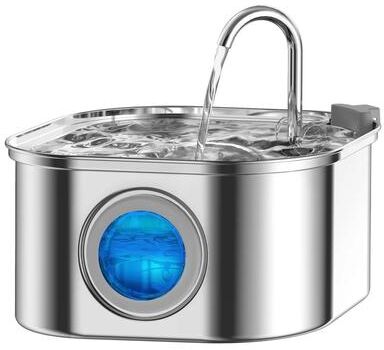
Uplift Essentials Automatic Stainless Steel Large Pet Water Fountain water FountaEncourage your beloved pets to embrace healthy hydration with a continuous, clean stream of refreshing moisture. This premium stainless steel cat fountain provides an ultrahygienic, circulating water supply that taps into your pet's natural instinct...207,97 $*Shipping: 0,00 $Secure redirect to the provider
-
Is the intestine dangerous?
The intestine itself is not inherently dangerous, as it is a vital part of the digestive system. However, certain conditions or diseases affecting the intestine can be dangerous if left untreated. For example, conditions such as inflammatory bowel disease, colorectal cancer, or intestinal obstructions can pose serious health risks. It is important to seek medical attention if you experience persistent digestive issues or symptoms related to the intestine. **
-
How is the intestine examined?
The intestine can be examined through various methods such as endoscopy, colonoscopy, and imaging studies like CT scans or MRIs. Endoscopy involves inserting a flexible tube with a camera through the mouth or rectum to visualize the intestine. Colonoscopy is a similar procedure specifically used to examine the large intestine. Imaging studies provide detailed images of the intestine to help diagnose any abnormalities or diseases. **
-
What is a cat's intestine?
A cat's intestine is part of its digestive system and is responsible for absorbing nutrients from the food it eats. It is a long, coiled tube that connects the stomach to the rectum and is divided into the small intestine and the large intestine. The small intestine is where most of the nutrient absorption takes place, while the large intestine is responsible for absorbing water and forming feces. The intestine plays a crucial role in the overall health and well-being of a cat. **
-
What is the intestine made of?
The intestine is made up of several layers of tissue. The innermost layer is the mucosa, which is responsible for absorbing nutrients from food. Surrounding the mucosa is the submucosa, which contains blood vessels and nerves. Next is the muscularis layer, which helps move food through the intestine via peristalsis. Finally, the outermost layer is the serosa, which provides a protective covering for the intestine. **
* All prices are inclusive of VAT and, if applicable, plus shipping costs. The offer information is based on the details provided by the respective shop and is updated through automated processes. Real-time updates do not occur, so deviations can occur in individual cases. ** Note: Parts of this content were created by AI.